
News
Rioja Centennial Celebration Reinforces Global Leadership and Category Momentum
From February 15–17, 2026, Rioja marked its 100th anniversary as Spain’s first officially recognized Designation of Origin with a high-impact Centennial Celebration in Logroño.
Hosted by the Consejo Regulador de la Denominación de Origen Calificada Rioja, the event convened 70 leading wine journalists, sommeliers, and industry experts from 20 countries—positioning Rioja at the center of the global fine wine conversation at a pivotal moment for the category.
Strategic Messaging: Identity, Diversity, Evolution
The Centennial event was structured to communicate three key pillars to the international trade:
- Heritage and Regulatory Rigor
Established in 1925, Rioja remains Spain’s most established and tightly regulated DOCa, maintaining strict quality controls from vineyard to bottling. - Stylistic Diversity and Terroir Transparency
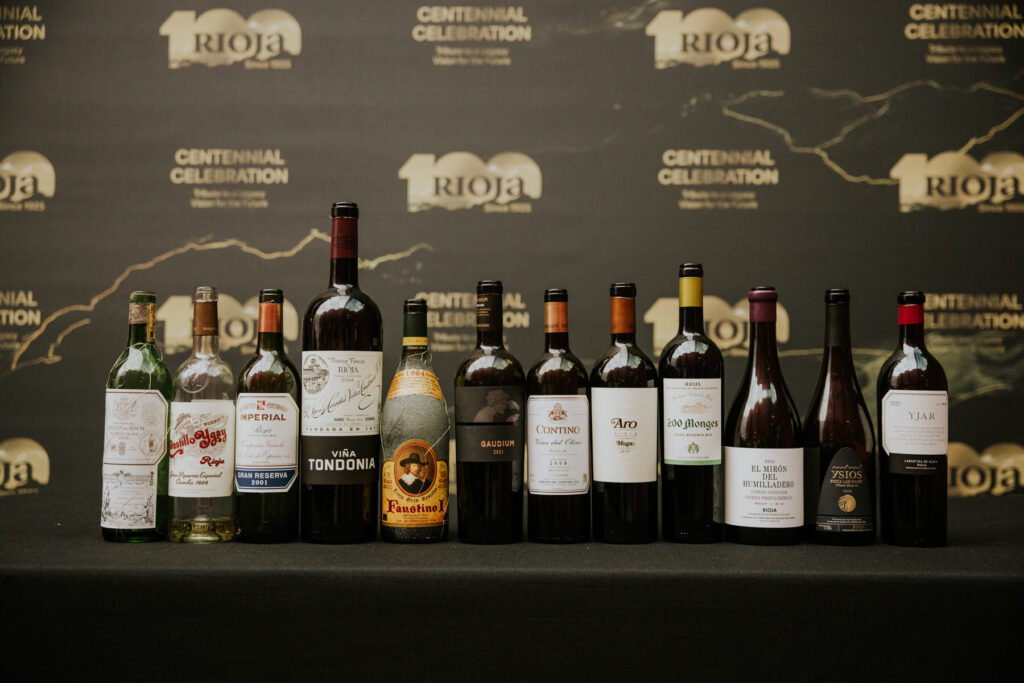
Two curated master tastings—Vision for the Future and Tribute to a Legacy—presented 25 wines that illustrated both historic benchmarks and contemporary expressions, including site-specific projects and sustainability-driven initiatives. - Next-Generation Leadership
President Raquel Pérez Cuevas framed Rioja as “a region in movement,” emphasizing dynamism, generational renewal, and a sharpened focus on vineyard origin.
For the trade, the messaging was clear: Rioja is not static. The centennial reflects it is actively evolving while maintaining institutional credibility and consumer trust.
Gastronomy as a Global Positioning Tool
The gala dinner at the Vivanco Museum of Wine Culture reinforced Rioja’s positioning as a premier food-pairing region.
Five Michelin-starred chefs—Francis Paniego, Ignacio Echapresto, Miguel Caño, Iñaki Murua, and Carolina Sánchez—designed a menu paired with 16 Rioja wines, underscoring versatility across styles, aging categories, and subzones.
For on-premise buyers and educators, the takeaway is from the centennial celebration actionable: Rioja continues to overdeliver in food compatibility, offering strong by-the-glass and premium pairing potential.
Immersive Winery Engagement
Post centennial event visits to nearly 30 wineries provided direct exposure to Rioja’s subregional diversity and producer scale—from historic houses to small-production innovators.
With more than 180 Rioja bodegas represented in the U.S. market, distribution breadth supports:
- Tiered portfolio strategies (Crianza to Gran Reserva and beyond)
- Regional storytelling opportunities
- Strong value-to-quality ratio in premium segments
- Consumer recognition anchored by 100 years of brand equity
Market Implications for U.S. Trade
The Centennial Celebration reinforced several strategic advantages for Rioja in the U.S.:
- Established category awareness with renewed premiumization narrative
- Sustainability and vineyard-origin messaging aligned with current consumer demand
- Institutional strength via DOCa oversight
- Ongoing generational transition driving innovation
Rioja enters its second century not as a legacy region resting on tradition, but as a dynamic global category leader actively shaping its future positioning.